
Solar Panels
A Solar Photovoltaic (PV) system is made up of panels installed on your roof, which capture free energy from sunlight and convert it into usable electricity for your home.
By generating clean power on your property, you drastically reduce the amount of electricity you need to buy from the grid, which provides a long-term hedge against rising energy prices and allows you to significantly cut your household bills.

Why Solar Panels?
The foremost benefit for a UK homeowner is the significant and immediate financial gain, leading to greater energy independence. By installing a Solar PV system, households generate their own clean electricity, drastically reducing their reliance on costly energy drawn from the National Grid and subsequently lowering monthly utility bills. Crucially, any surplus energy generated but not immediately consumed can be sold back to the grid via the government-backed Smart Export Guarantee (SEG) scheme. This creates a valuable revenue stream, with competitive tariffs offered by energy suppliers, contributing further to the return on investment. Given the historically volatile and upward trend of UK energy prices, investing in Solar PV provides a robust defence against future price rises, securing predictable energy costs for the long term and turning the home into a self-sufficient power generator.
Beyond the direct financial advantages, a Solar PV installation offers compelling environmental and property value benefits. Solar energy is a completely renewable, clean resource, allowing homeowners to significantly cut their carbon footprint and actively contribute to the UK’s net-zero targets by reducing demand on fossil-fuel-based power generation. Furthermore, installing renewable energy technology enhances the overall energy performance of the property. This often results in a higher Energy Performance Certificate (EPC) rating, which is increasingly appealing to prospective buyers and can demonstrably increase the resale value of the home. These systems are renowned for their low maintenance requirements and long operating lifespans, typically in excess of 25 years, making them a durable and sustainable investment for any environmentally conscious homeowner.
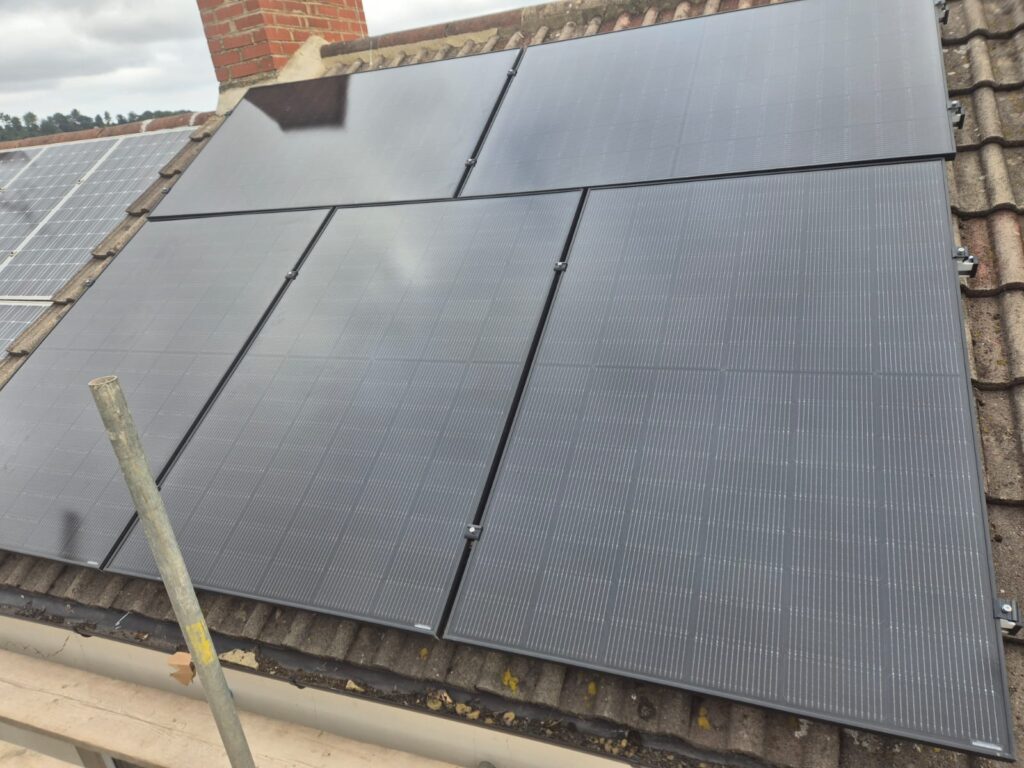
Solar Panels Key Benefits
Significantly Lower Energy Bills: Solar panels let you generate your own free electricity from sunlight. This means you buy much less power from your energy supplier, which drastically cuts your monthly electricity bills. Many homeowners save hundreds of pounds each year, and with a battery, the savings are even higher as you can use stored solar power at night.
Earn Money from Excess Power (Smart Export Guarantee – SEG): If your solar panels generate more electricity than your home uses, the excess power is automatically sent back to the National Grid. The Smart Export Guarantee (SEG) is a government-backed scheme that requires energy suppliers to pay you for every unit of this surplus clean energy you export, creating a small but valuable income stream.
Increased Home Value and Appeal: Homes with installed solar panels and a good energy efficiency rating (EPC) are highly attractive to buyers. This green technology is seen as a major asset because it guarantees lower running costs for the future, often leading to a quicker sale and an increase in your property’s market value.
Energy Independence and Stability: By generating your own power, you become less reliant on large energy companies and are protected from constant price hikes and market changes. With a solar battery, you gain even more control, securing a more stable and predictable energy source for your home, even if the national grid supply is interrupted.
A Greener, Cleaner Home: Solar power is a fully renewable energy source that produces zero carbon emissions while operating. By switching to solar, you significantly reduce your home’s carbon footprint and play a direct part in the UK’s commitment to fighting climate change and achieving net-zero targets.
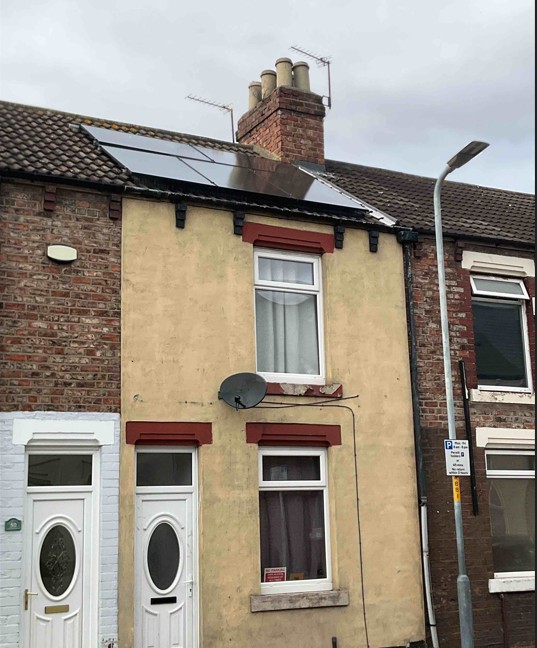
Frequently Asked Questions
How do solar panels work?
Solar panels, technically known as Solar Photovoltaic (PV) modules, convert light directly into electricity using tiny components called photovoltaic cells. When sunlight, made up of energy packets called photons, hits the silicon material in the cells, it knocks electrons loose from their atoms. These freed electrons start moving, which creates a direct electrical current (DC). This DC electricity is then routed to an inverter, which is a key component in your home’s system. The inverter converts the DC power into usable alternating current (AC) electricity, which is the standard power type used to run all the appliances and lights in your UK home.
Is my property suitable for solar panels?
Most UK properties are suitable for solar panels, but efficiency depends on a few key factors. The best roof orientation is South-facing, as it captures the maximum amount of sunlight throughout the day. However, East- or West-facing roofs are also highly viable, providing a good energy yield, especially when panels are split to cover morning and afternoon sun.
A critical factor is shading: areas blocked by large trees, chimneys, or neighbouring buildings will significantly reduce the panels’ performance. The roof structure itself must also be in good condition, structurally sound, and a typical pitch of 30-40 degrees is considered optimal. A professional survey by an MCS-certified installer, like Heatpac, will confirm your roof’s suitability and optimal system design.
How much money can I save with solar panels?
The financial savings from solar panels come from two main sources: reduced electricity bills and income from exporting surplus power. A typical medium-sized UK home with a standard solar PV system can save a significant amount annually on their electricity bill, often ranging from £400 to over £700 per year. If the system is combined with a battery, allowing you to store and use more of your own power, savings can be even higher, sometimes exceeding £1,000 annually.
Furthermore, you can earn money for unused electricity sent back to the grid via the Smart Export Guarantee (SEG) scheme. The overall return on investment (payback period) is typically between 6 to 10 years, after which the electricity generated is essentially free.
Will solar panels cause any issues with my roof?
When correctly installed by an accredited, professional, and MCS-certified installer, solar panels will not damage your roof. The installation process involves drilling small, carefully sealed holes to attach the mounting brackets directly to the roof rafters. Reputable installers use waterproof flashing and sealants to ensure the roof remains completely watertight.
In fact, the panels can actually protect the portion of the roof they cover from wear and tear, shielding the tiles or slates from harsh weather, UV rays, and external debris, which can extend the lifespan of the underlying roof surface. Any structural assessment to confirm the roof can safely handle the additional weight is part of the standard pre-installation process.
How long do solar panels last?
Modern solar panels are a highly durable, long-term investment. The typical lifespan for a high-quality solar panel is between 25 to 30 years, with many units continuing to generate power for up to 40 years or more.
Manufacturers provide a minimum Performance Warranty, which usually guarantees that the panel will still be operating at 80-87.5% of its original efficiency after 25 years. This loss of efficiency over time is called degradation, but it is very slow (around 0.5% per year). While the panels themselves last for decades, other components will require replacement, such as the inverter, which typically lasts around 10 to 15 years, and any added battery storage which generally lasts 10 to 12 years.